Joint health
Why Motion Matters
Healthy joints are not simply structures that hold the body together. They are living systems designed to move, bear load and continually exchange information with the brain.
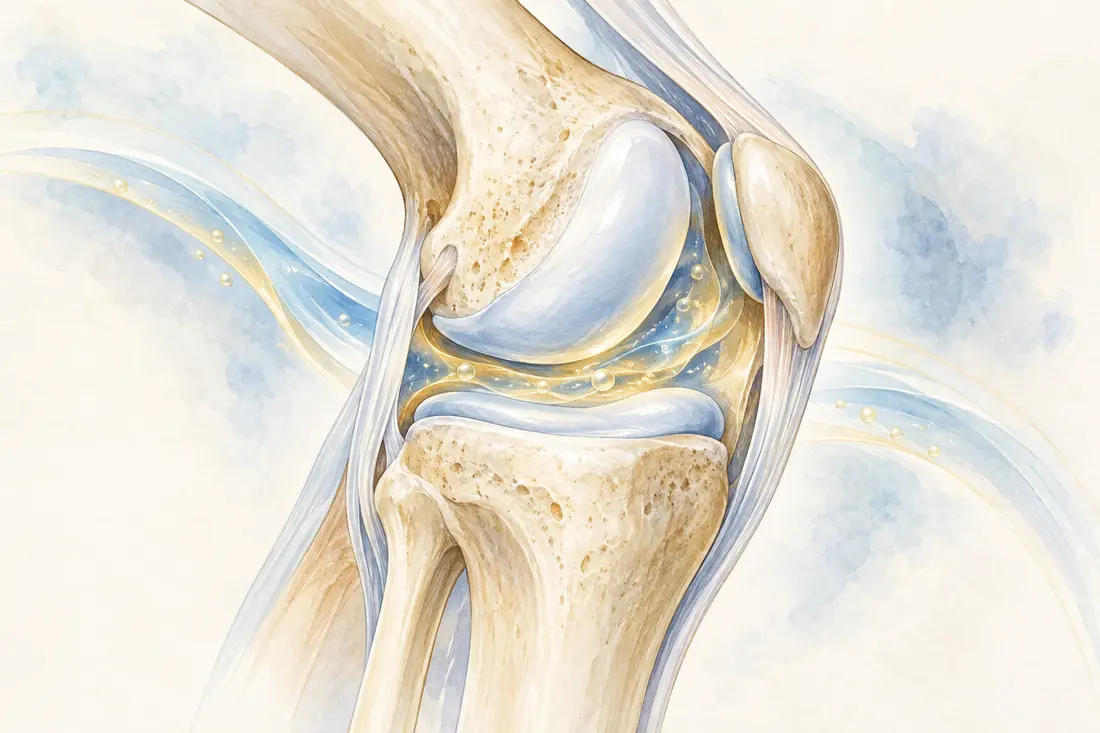
Movement nourishes the joint
Much of the cartilage covering a joint surface has no direct blood supply. It relies heavily on the movement of synovial fluid. When a joint is loaded and unloaded, fluid moves through the cartilage, helping deliver nutrients and remove waste products.
This does not mean that more movement is always better. It means that appropriate, varied and well-controlled motion is part of normal joint health.
Movement informs the nervous system
Joints, muscles and connective tissues contain receptors that continuously report position, pressure and movement to the brain. This information helps the body coordinate balance, posture and muscular control.
If a joint becomes restricted, irritated or poorly controlled, the information coming from that area can change. Nearby muscles may tighten, weaken or alter their timing as the body tries to protect itself.
Restricted motion creates compensation
The body still has to complete the task. If one segment cannot contribute normally, another area may move more, absorb more force or change its position. A problem in the ankle can affect the knee. Hip mechanics can influence the knee and lower back. Restricted spinal motion can change the way the trunk and limbs coordinate.
What chiropractic assessment adds
An X-ray is a still picture. It may provide important structural information, but it cannot by itself show how each joint moves during examination or daily activity. A chiropractic assessment adds information about joint motion, muscle response, coordination and function.
The purpose is not to make every joint move as far as possible. It is to identify motion that is restricted, poorly controlled or painful and determine whether restoring more normal function may help.
This article provides general educational information and does not replace an individual clinical examination, diagnosis or treatment recommendation.